When the days get shorter and someone in the office starts sneezing more often again, the same question comes up: Can you “boost” your immune system with food? The short answer: not in the sense of a quick fix. What nutrition can do is far more down-to-earth—and that is exactly why it makes sense. A balanced diet supplies the body with the nutrients needed for normal immune function. What matters is regularity, variety, and the overall diet—not a single “superfood”.
Table of Contents
Can you really “boost” the immune system?
The term sounds good, but it is scientifically vague.
The immune system is not an engine that you can temporarily rev up with ginger, vitamin C, or a shot. It consists of many cell types, signaling molecules, organs, and barriers that work together.
Nutrition can support this complex process by providing sufficient energy, protein, vitamins, minerals, and other nutrients. A deficiency of certain nutrients can impair immune function. Conversely, a particularly high intake when you are already well supplied does not automatically lead to a “stronger” immune system.
That is why the more useful question is not:
“Which food strengthens my immune system the most?”
Rather:
“How should I eat so that my body never lacks anything important over the long term?”
Which nutrients does the immune system need?
Several nutrients contribute to normal immune function. The ones most commonly mentioned are:
- Vitamin C,
- Vitamin D,
- Vitamin A,
- Vitamin B6,
- Vitamin B12,
- Folate,
- Zinc,
- Selenium,
- Iron,
- Copper.
Protein is also important because immune cells, enzymes, and antibodies are built from amino acids.
But that doesn't mean every nutrient has to be individually supplemented. Many can be obtained through a varied diet.
Vitamin C: more than just citrus fruits.
When it comes to the immune system, many people first think of oranges.
There are also numerous other foods that provide plenty of vitamin C, for example:
- bell peppers,
- Broccoli,
- Brussels sprouts,
- Kale,
- Kiwi,
- Berries,
- Sea buckthorn,
- Potatoes.
Especially in autumn, there is a wide selection. Bell peppers and cabbage can be used raw, steamed, or as roasted vegetables.
Vitamin C is sensitive to heat and long storage. So it makes sense not to cook vegetables for hours as a matter of course and not to keep fresh produce longer than necessary.
A glass of orange juice is therefore not the only option. A lunch of potatoes, broccoli, and bell peppers can also make a significant contribution.
Vitamin D in autumn: food or supplement?
Vitamin D plays a special role.
The body can produce it on its own with the help of sunlight. In Germany, however, UV-B radiation is often not sufficient during the autumn and winter months to produce enough vitamin D through the skin.
Foods make only a limited contribution to the body's supply. Notable amounts are found mainly in:
- fatty sea fish,
- Egg yolk,
- some mushrooms,
- fortified foods.
Whether a supplement makes sense depends on individual nutritional status and risk. A blanket high dose is not recommended.
Those who are unsure should talk to a doctor or pharmacist, especially with long-term use or higher doses.
Zinc: small amounts, important functions.
Zinc contributes to the normal function of the immune system and is involved in numerous metabolic processes.
Good sources include:
- Meat,
- Cheese,
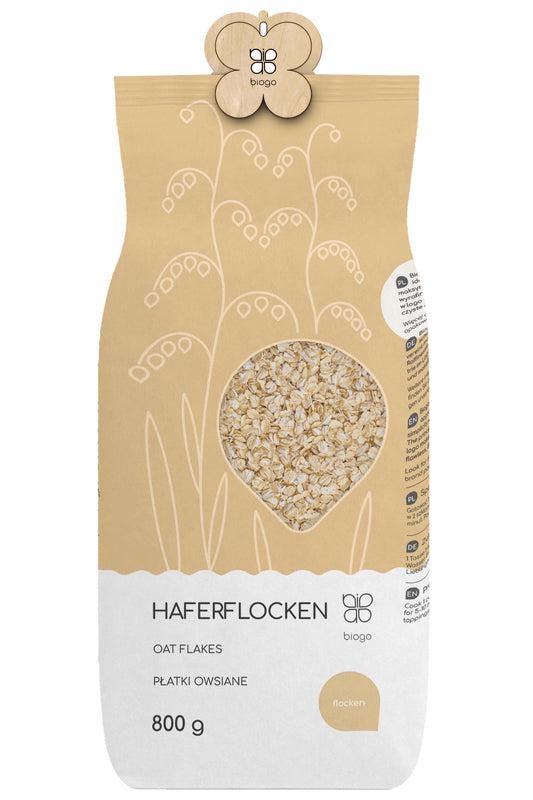
- Oat flakes,
- Legumes,
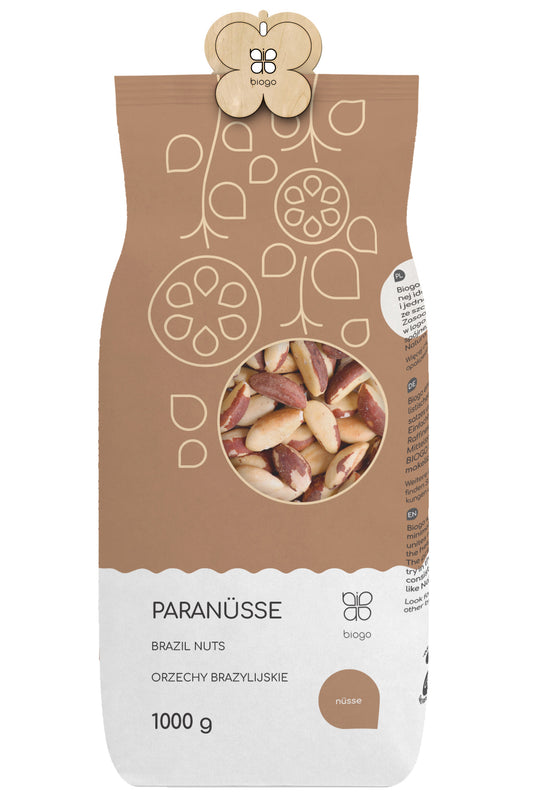
- Nuts,
- Pumpkin seeds,
- Whole-grain products.
In plant foods, phytic acid can reduce zinc absorption. Soaking, sprouting, fermenting, or sourdough fermentation can partially improve availability.
This is a good example of why the overall diet is more important than any single product.
A muesli made with rolled oats, plain yogurt, and pumpkin seeds provides not only zinc but also protein, fiber, and other minerals.
Why protein is also part of the picture.
Protein is often overlooked when it comes to the immune system.
The body needs amino acids for, among other things:
- Antibodies,
- Enzymes,
- Transport proteins,
- Cell structures.
Suitable protein sources are:
- Legumes,
- Tofu and tempeh,
- Eggs,
- Dairy products,
- Fish,
- Meat,
- Nuts and seeds.
You don't have to suddenly start drinking protein shakes. What matters is that your meals regularly contain a clear source of protein.
A simple autumn dish could, for example, consist of lentils, pumpkin, whole-grain rice and pumpkin seeds.
What does the gut have to do with the immune system?
Much of the immune activity takes place in the gut. There, the body constantly encounters components from food, microorganisms and the environment.
The gut flora – the community of microorganisms in the gut – interacts closely with the immune system.
This does not mean that a single yogurt or a serving of kimchi protects against colds. A varied, fiber-rich diet can, however, contribute to a diverse microbiome.
Important components are:
- Whole grains,
- Legumes,
- Vegetables,
- Fruit,
- Nuts,
- Seeds,
- fermented foods.
Fiber, in particular, plays an important role here because certain gut bacteria use it as a substrate.
8 Food Groups for Autumn
1. Pumpkin
Depending on the variety, pumpkin provides, among other things, beta-carotene, which the body can convert into vitamin A.
Practical for:
- Soups,
- Roasted vegetables,
- Curry,
- Pasta,
- Bowls.
2. Cabbage
Broccoli, kale, Brussels sprouts, red cabbage and white cabbage provide vitamin C, folate and various phytochemicals.
3. Legumes
Lentils, beans and chickpeas provide protein, fiber, iron, zinc and other minerals.
4. Whole grains
Rolled oats, whole-grain bread, brown rice and whole-grain pasta add fiber, B vitamins and minerals to your diet.
5. Nuts and seeds
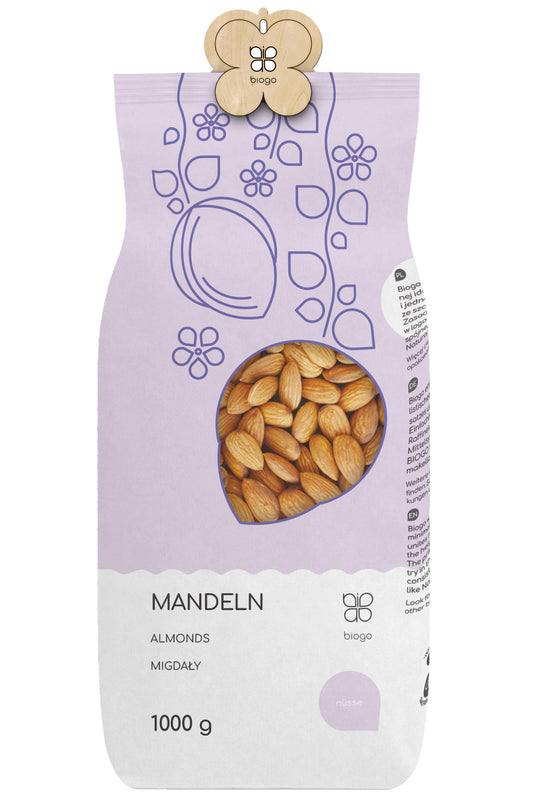
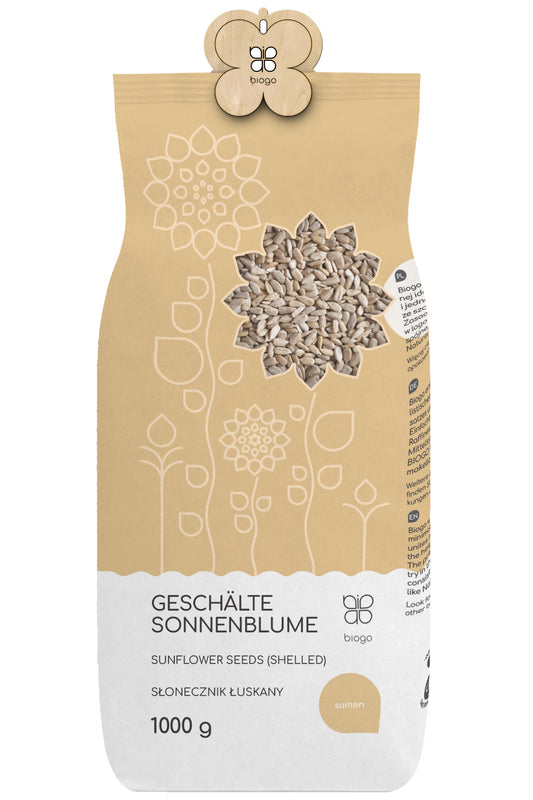
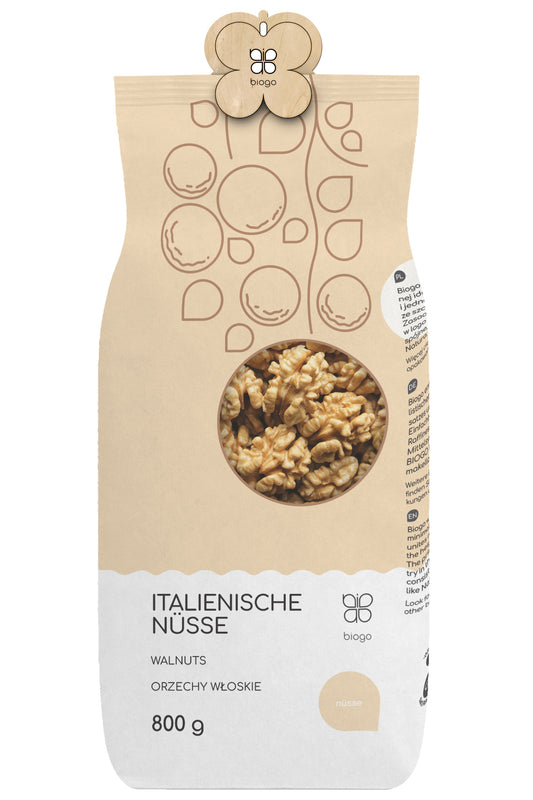
Walnuts, almonds, pumpkin seeds, sunflower seeds and flaxseeds provide, among other things, unsaturated fatty acids, protein and minerals.
6. Berries and autumn fruits
Apples, pears and berries provide fiber and phytochemicals.
Frozen berries are also practical out of season.
7. Fermented foods
Yogurt, kefir, sauerkraut, kimchi, miso or tempeh can add variety to your diet.
Not every fermented product still contains live cultures when consumed. Especially for pasteurized or heat-treated versions, it's worth checking the label.
8. Herbs and spices
Garlic, ginger, turmeric, cinnamon and herbs can add flavor and help you cook with more variety.
They are not, however, a substitute for an overall balanced diet.
Variety for your autumn cooking
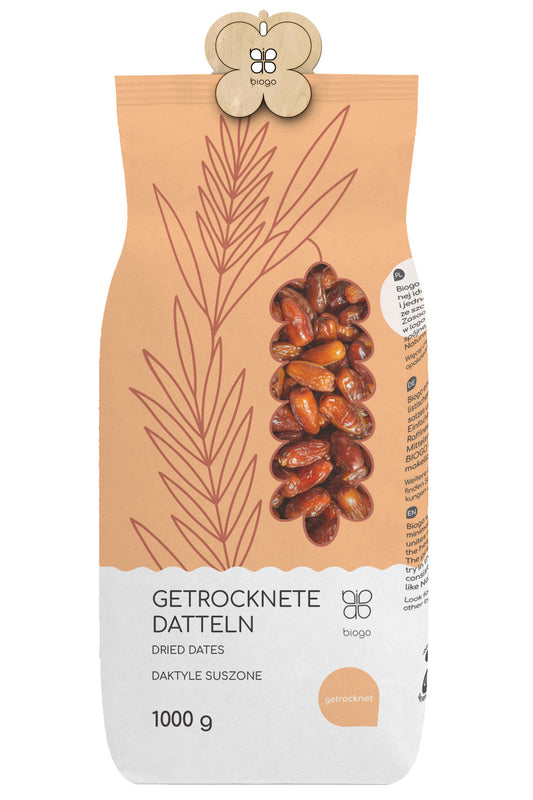
Discover whole-grain products, legumes, nuts, seeds and other ingredients for varied meals at BIOGO.
Discover ingredients for autumn.
This is what an immune-friendly day looks like on your plate.
You don't need a perfect weekly plan for that.
Breakfast
Oatmeal with:
- plain yogurt,
- apple,
- walnuts,
- pumpkin seeds,
- cinnamon.
Lunch
lentil-pumpkin bowl with:
- whole-grain rice,
- spinach,
- roasted pumpkin seeds,
- Yogurt or tahini dressing.
Snack
Pear with a small handful of nuts.
Dinner
whole-grain bread with:
- hummus,
- bell peppers,
- sprouts,
- a salad.
This is how many different plant-based ingredients come together over the course of the day without any meal having to be complicated.
Do you need dietary supplements in autumn?
Not necessarily.
Dietary supplements can make sense when:
- a deficiency has been identified,
- you belong to a specific risk group,
- nutrient intake through diet cannot be reliably achieved,
- medical reasons are present.
An "immune complex" containing ten vitamins and five plant extracts is therefore not generally necessary.
Especially with high-dose supplements: More is not automatically better.
Some vitamins and minerals can cause side effects or interact with medications when taken in excess.
A mindful approach is therefore especially worthwhile with vitamin D, iron, zinc, and selenium.
3 typical immune myths
Myth 1: Vitamin C prevents every cold
Vitamin C is important for normal immune function. However, a high additional dose does not reliably protect healthy people from every cold.
Regular intake is more important than a large shot once your nose starts running.
Myth 2: Ginger shots "boost" the immune system
Ginger can be part of a varied diet, and many people enjoy it.
But a shot is no substitute for sleep, balanced meals, or adequate nutrient supply.
Myth 3: The more supplements, the better.
The opposite can be true.
High doses of individual nutrients can be unnecessary or even problematic. It is more sensible to identify and correct possible deficiencies in a targeted way.
What really matters in autumn
The immune system doesn't need a spectacular 7-day plan.
It benefits much more from the boring-sounding things that work in the long run:
- eat a varied diet,
- get enough protein,
- incorporate plenty of vegetables and fruit,
- choose whole grains and legumes,
- drink enough,
- get enough sleep,
- exercise regularly,
- Correct known deficiencies in a targeted way.
No single food takes on this task alone.