Why combine protein and fiber?
A protein shake on the way to work, a protein bar in the afternoon, and a large serving of quark in the evening: This is what a protein-rich diet often looks like on social media. It's sometimes practical. But it doesn't replace a varied meal.
Protein and fiber serve different functions. Protein provides amino acids, which the body needs, among other things, for building and maintaining tissue. Fiber affects digestion, stool consistency, and the satiety effect of a meal. Some also serve as a food source for gut bacteria.
Combining both components doesn't automatically make the plate "perfect." But it does provide a simple guideline for everyday life:
- Protein adds an important macronutrient to the meal.
- Vegetables, whole grains, and legumes increase the fiber content.
- A greater variety of plant-based ingredients brings different vitamins, minerals, and phytonutrients to the plate.
- The meal feels more complete than an isolated protein snack.
- Many dishes can be easily prepared and taken on the go.
A good example is a bowl of oatmeal with yogurt, berries, and flaxseeds. The yogurt provides protein. Oatmeal, berries, and seeds contribute fiber. It gets even easier with legumes: lentils, beans, and chickpeas naturally contain both.
How much protein and fiber do we need?
Individual protein needs can be influenced by age, body weight, health status, and physical activity, among other factors. For many adults, it makes sense not to concentrate protein in a single meal but to distribute different protein sources throughout the day.
With fiber, too, it's not just about a single meal. Particularly relevant sources are whole grains, legumes, vegetables, fruit, nuts, and seeds.
Still, you don't have to calculate every meal with an app. For everyday life, a simpler question is often more helpful:
Does my plate contain a recognizable source of protein and at least one fiber-rich plant component?
Which foods provide protein and fiber?
Not every protein-rich food automatically contains a lot of fiber. Meat, fish, eggs, cheese, and plain yogurt, for example, provide protein but little to no fiber. You can supplement these with plant-based sides.
Other foods already combine both components:
Legumes
These include:
- lentils,
- chickpeas,
- kidney beans,
- white beans,
- black beans,
- peas,
- soybeans.
They provide protein, fiber, and various vitamins and minerals.
Whole grain products
Practical options are:
- oats,
- whole grain bread,
- brown rice,
- whole-wheat pasta,
- buckwheat,
- millet,
- quinoa.
Especially whole grain varieties provide more fiber than highly refined products.
Nuts and seeds
For example:
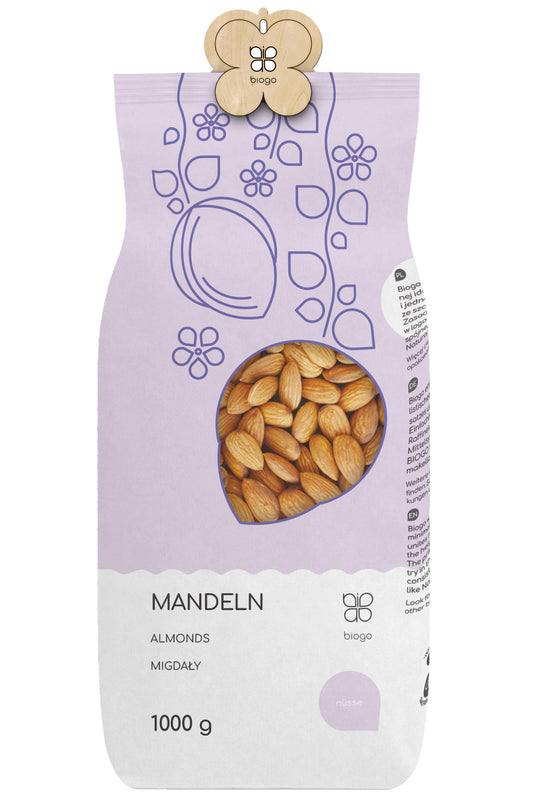
- almonds,
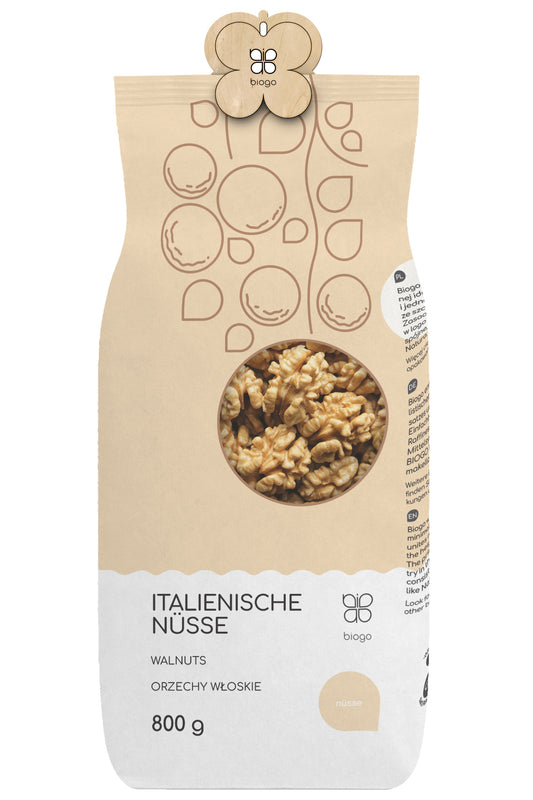
- Walnuts,
- peanuts,
- pumpkin seeds,
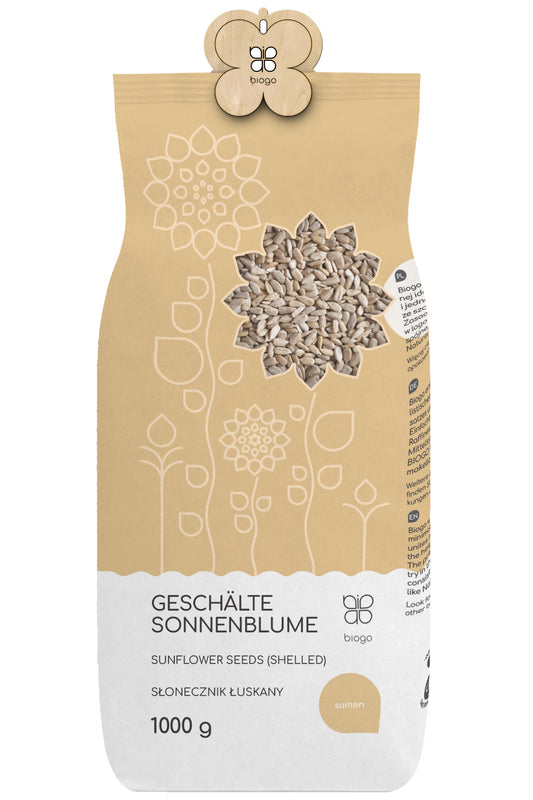
- sunflower seeds,
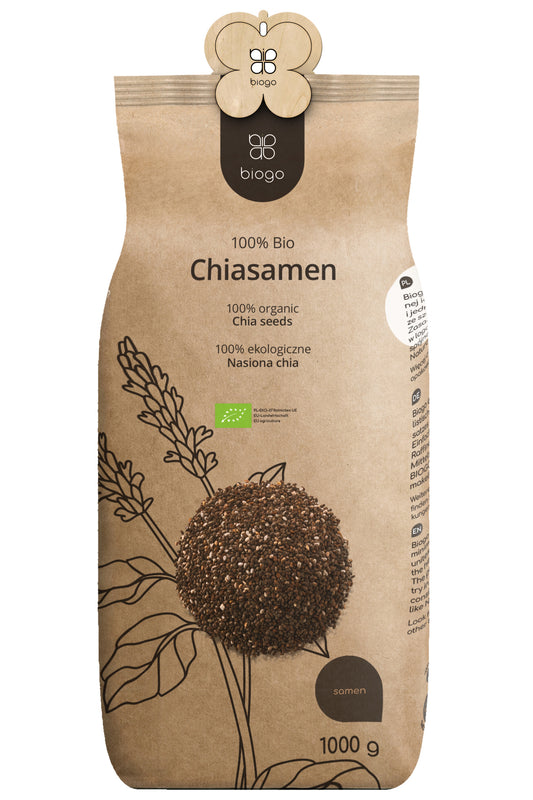
- Chia seeds,
- flax seeds,
- hemp seeds.
They work well as a topping or part of snacks. Because they are energy-dense, a small portion is usually sufficient.
Soy products
Tofu, tempeh, edamame, and high-protein soy yogurts can easily complement a meal. Especially tofu and tempeh can be savory marinated, fried, or prepared in the oven.
Protein-rich dairy products and alternatives
Plain yogurt, Skyr, quark, and cottage cheese provide protein. For plant-based alternatives, it's worth checking the nutrition label because the protein content varies greatly depending on the base.
The simple building block system for satiating meals
Instead of following ten different nutrition rules, you can assemble a meal from four building blocks.
1. A protein source
For example:
- lentils,
- beans,
- chickpeas,
- tofu,
- tempeh,
- eggs,
- plain yogurt,
- quark,
- Fish or meat.
2. A fiber-rich base
For example:
- oats,
- whole grain bread,
- brown rice,
- buckwheat,
- whole-wheat pasta,
- Potatoes with skin.
3. Vegetables or fruit
Choose as seasonal and varied as possible. Vegetables increase the volume of the meal and bring different flavors and textures to the plate.
4. A topping or sauce
For example:
- nuts,
- seeds,
- tahini,
- nut butter,
- plain yogurt,
- herbs,
- high-quality plant oil.
Not every meal needs to contain all four groups in large quantities. The building block system helps especially to identify typical gaps.
A whole grain bread with just jam contains carbohydrates but little protein. If you add quark and berries, the composition changes significantly.
10 protein- and fiber-rich meals
1. Oats with Skyr, berries and flax seeds
A simple combination for breakfast or meal prep.
You need:
- oats,
- Skyr or high-protein soy yogurt,
- fresh or frozen berries,
- ground flax seeds,
- nuts or nut butter to taste.
Oats and flax seeds provide fiber. Skyr or soy yogurt add protein. If you prepare the mixture the night before, you get convenient overnight oats.
2. Whole grain bread with hummus and egg
Hummus alone is tasty, but a thin layer on white bread does not make a particularly substantial meal.
Better:
- whole grain bread,
- generous hummus,
- a boiled egg or marinated tofu,
- Cucumber, tomato or radish,
- Pumpkin seeds as topping.
This is how you combine chickpeas, whole grains, vegetables, and an additional protein source.
3. Lentil bowl with brown rice and roasted vegetables
A bowl doesn't have to have twelve ingredients. Three main components suffice:
- cooked lentils,
- brown rice,
- Bell pepper, zucchini, or carrots from the oven.
A dressing made from tahini, lemon juice, and water goes well with it. Lentils and rice also complement each other as plant-based protein sources. The combination of legumes and grains can usefully supplement the amino acid composition of the meal.
4. Chickpea salad with quinoa
This salad works both warm and cold.
Mix:
- cooked chickpeas,
- Quinoa,
- Tomatoes,
- Cucumber,
- Parsley,
- Lemon juice,
- Olive oil.
Feta or diced tofu can further increase the protein content. For a lunch portion, it's best to keep the dressing separate.
5. Whole-grain pasta with lentil-tomato sauce
A simple alternative to classic ground meat sauce.
For the sauce you need:
- red or brown lentils,
- strained tomatoes,
- Onion,
- Garlic,
- Carrot,
- Italian herbs.
Served with whole-grain pasta, this creates a dish that can be pre-cooked and frozen in portions.
6. Potatoes with herb quark and bean-cucumber salad
Potatoes are often overlooked in high-protein diet plans. Yet they can be easily combined with quark, eggs, or legumes.
A simple meal consists of:
- Boiled potatoes,
- herb quark or a protein-rich plant-based alternative,
- white beans,
- Cucumber,
- Dill,
- Lemon juice.
If you leave the skin on the potatoes, you should clean them thoroughly beforehand.
7. Tofu vegetable stir-fry with buckwheat
Tofu absorbs marinades particularly well. Mix it with soy sauce, paprika powder, garlic, and some sesame oil, for example.
Then sauté it with:
- Broccoli,
- Bell pepper,
- Mushrooms,
- Sugar snap peas.
Buckwheat, brown rice, or whole-grain pasta work as a side. Sesame or peanuts add extra crunch to the dish.
8. Chili sin carne with three types of beans
Chili is ideal when cooking several portions at once.
Use, for example:
- kidney beans,
- black beans,
- white beans,
- Corn,
- Tomatoes,
- Bell pepper,
- Onions.
Brown rice, whole-grain bread, or a dollop of plain yogurt go well with it. Beans combine protein and fiber in a single ingredient.
9. Yogurt bowl with apple, walnuts, and chia seeds
For a quick snack or a small breakfast:
- Plain yogurt, skyr, or soy yogurt,
- Apple pieces,
- Walnuts,
- Chia seeds,
- Cinnamon.
For flavored yogurts, watch out for added sugar. With plain yogurt, you can control the sweetness yourself through fruit.
10. Roasted chickpeas with vegetable sticks and dip
A snack doesn't have to be a bar.
Rinse chickpeas from a jar or can, dry well, season, and roast in the oven. They go well with:
- Carrots,
- Bell pepper,
- Cucumber,
- a dip made from yogurt or tahini.
Roasted chickpeas are convenient, but should not be baked rock hard. They taste best fresh and crispy.
Combine plant-based protein sources wisely
Animal proteins usually contain all essential amino acids in a favorable composition. Plant-based foods differ more in which amino acids they provide in what amounts.
That does not mean that every single vegan meal needs to be complicatedly calculated. A varied diet throughout the day is more important than a perfect combination in every bite.
Proven combinations are:
- Lentils with rice,
- Beans with corn,
- Hummus with whole-grain bread,
- Pea stew with bread,
- Oatmeal with nuts,
- Potatoes with soy products.
Grains and legumes complement each other particularly well. Potatoes, nuts, and seeds also contribute to plant-based protein supply.
Protein shakes can be practical in certain situations. However, for healthy adults, special high-protein products are not automatically necessary to meet general needs. This can often be achieved with a varied food selection.
Increase fiber slowly
Those who have primarily been eating white bread, highly processed products, and little vegetables should not double their fiber intake overnight.
A sudden change can temporarily lead to:
- flatulence,
- feeling of fullness,
- abdominal pressure,
- altered digestion
lead to.
Better to increase the amount gradually:
- Start by swapping one serving of white bread for whole-grain bread.
- Add one serving of vegetables daily.
- Start with a small amount of legumes.
- Use ground flaxseeds sparingly at first.
- Drink enough.
Fiber binds water. Therefore, a higher fiber intake should always be accompanied by adequate fluid intake. How much each person tolerates can vary.
If legumes cause discomfort, you can start with small portions of red lentils, split peas, or well-rinsed canned legumes.
Persistent or severe digestive issues should be medically evaluated rather than being generally attributed to "too much fiber."
Typical mistakes with high-protein meals
Only look at the gram count
A product with a big "High Protein" label is not automatically the best choice. What matters is the overall composition: ingredient list, sugar, salt, fat, fiber, and portion size.
Making vegetables decoration
Three cucumber slices next to a large protein product provide little variety. Plan vegetables or fruit as a real part of the meal.
Increasing fiber too quickly
Increasing whole grains, beans, seeds, and raw foods all at once can overwhelm the digestive tract. Doing it gradually usually works better.
Drinking too little
A high-fiber diet and very low fluid intake don’t go well together.
Seeing legumes only as meat substitutes
Lentils, beans, and chickpeas don’t have to be a substitute for something else. They work as an independent base for soups, bowls, spreads, salads, and stews.
Replace every snack with protein bars
Protein bars are convenient on the go. However, for a daily snack, plain yogurt, nuts, fruit, hummus, or whole-grain bread often offer more culinary variety.
This is how you prepare for an active week
Meal prep doesn’t mean filling seven identical boxes on Sunday. Often, a few prepared building blocks are enough.
Cook, for example:
- a pot of brown rice, buckwheat, or quinoa,
- a serving of lentils or chickpeas,
- a tray of roasted vegetables,
- several eggs,
- a sauce or a dressing.
With this, you can put together different meals throughout the week:
- Monday: Lentil bowl,
- Tuesday: Whole-wheat wrap with hummus,
- Wednesday: Salad with quinoa and egg,
- Thursday: Vegetable stir-fry with tofu,
- Friday: Chili from the remaining legumes.
A well-stocked pantry also helps. Practical items are:
- legumes in jars or cans,
- oats,
- whole-wheat pasta,
- brown rice,
- nuts and seeds,
- strained tomatoes,
- nut butter,
- frozen vegetables.
This is how a complete meal is created before the delivery service even opens.
Eat to fill up instead of just counting protein
A balanced meal doesn’t need a flashy "High Protein" package. Often, normal foods, sensibly combined, are enough.
Start with a clear protein source. Add whole grains, legumes, vegetables, fruit, nuts, or seeds. This turns a quick snack into a complete meal and a simple side dish into a meal that better fits an active lifestyle.
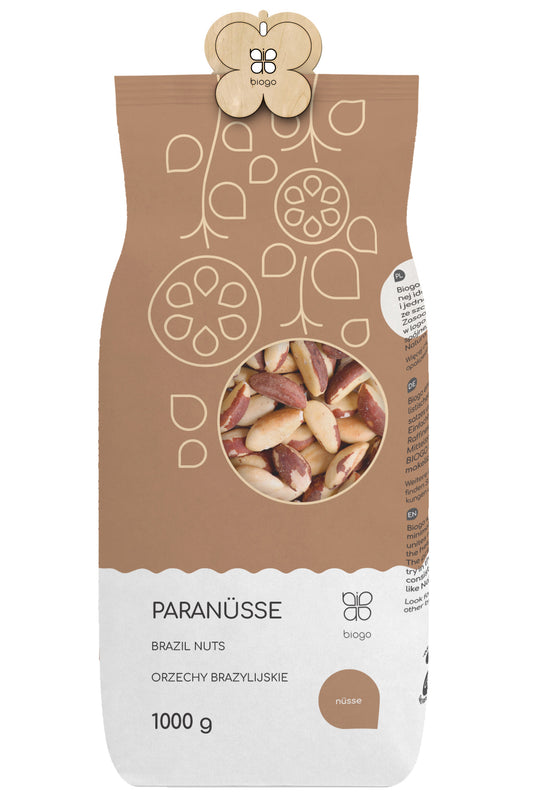
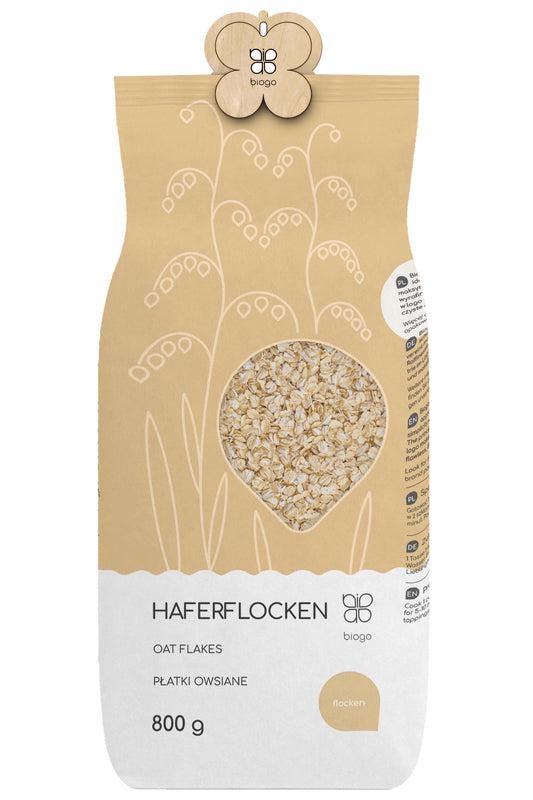
Discover selected legumes, whole grains, nuts, seeds, and plant-based protein sources at Biogo – and put together your own protein- and fiber-rich meals.